


Compiled by By St Francis Chronicle : South African Human Rights Commission (SAHRC) has found serious wastewater-treatment compliance problems at Kouga Municipality’s Jeffreys Bay and KwaNomzamo wastewater treatment works, with tests showing bacterial levels exceeding licensed limits.
The Commission considered its own independent testing, Kouga’s March 2026 monitoring data and earlier findings by the Public Protector. Nelson Mandela Bay and Buffalo municipalities also have serious shortcomings or faults and are likewise featured in the Report
At the Jeffreys Bay works, testing at the clarifier outlet recorded E. coli and faecal coliforms above 2,420 per 100ml. After the polishing pond, the final outflow still recorded E. coli at 133 per 100ml, against a licence limit of below 1 per 100ml. Faecal coliforms were recorded at 461 per 100ml, while total coliforms exceeded 2,420 per 100ml.
At KwaNomzamo, final effluent recorded E. coli and faecal coliforms above 2,420 per 100ml, exceeding the licensed limit of 1,000 per 100ml by at least 142%. Because the laboratory’s reporting threshold had been reached, the actual concentrations could have been higher.
The SAHRC acknowledged that Kouga had undertaken rehabilitation, refurbishment, improved monitoring and technical investigations, and was taking steps to implement the Public Protector’s remedial action.
However, it said these measures “do not alter the central finding” that sustained compliance had not yet been achieved. Kouga’s own March 2026 data showed that significant compliance problems remained, and the municipality acknowledged that compliant final effluent had not yet been restored at KwaNomzamo.
The above remarks were among others made at the launch of the SAHRC Report in Jeffreys Bay on 27 July .The Report links the pollution to constitutional rights to dignity and to an environment not harmful to health or well-being.
It also refers to historical allegations of sewage reaching the Swart River, Seekoei Estuary and Aston Bay, as well as earlier Public Protector findings concerning maintenance, compliance and oversight. The SAHRC Report also takes the Nelson Mandel Bay and Buffalo municipalities in the Eastern Cape to task.
National Commissioner, Assesa Gungubele, said the investigation was prompted by repeated complaints and reports of sewage spills, inadequate wastewater treatment and pollution affecting rivers, estuaries and coastal areas.
He said the Commission had gone beyond allegations by commissioning independent laboratory testing, which it considered alongside municipal monitoring data, complaints, reported incidents and the Public Protector’s findings.

Gungubele stressed that the investigation was about more than engineering failures: where wastewater failures expose people and the environment to harm, they become human rights issues. The Commission’s findings pointed to a broader pattern of wastewater infrastructure failures, effluent non-compliance, pollution concerns and weaknesses in monitoring and governance.
In Kouga, he said, the Commission acknowledged the municipality’s rehabilitation and other remedial efforts, but its evidence showed that sustained compliance had not yet been achieved.
The Commission is requiring Kouga to continue strengthening and refurbishing its wastewater systems until sustained licence compliance is demonstrated, improve monitoring of final effluent and receiving environments, implement the Public Protector’s remedial action and submit a verified implementation report within 60 days.
Gungubele said the Commission was seeking evidence of action rather than further general assurances. If recommendations are not complied with or adequate remedial action is not demonstrated, the Commission may take further steps within its constitutional mandate.
Kouga response: Kouga Municipal Manager, Charl du Plessis, welcomed the report and said the municipality accepted its recommendations and was already working on them.
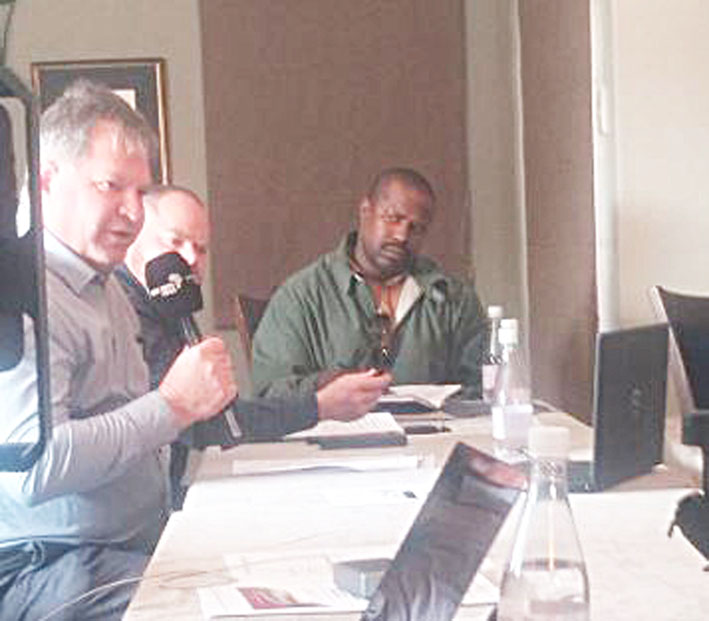
He said, however, that the reports did not adequately reflect the impact of vandalism and sabotage on the municipality’s wastewater infrastructure.
The KwaNomzamo treatment works was destroyed during community unrest in 2018 and subsequently targeted again, requiring total reconstruction.
“We’ve completed the works in the initial scope of I think R56-million worth,”Du Plessis said.
He said cables were repeatedly cut and treatment works regularly damaged, with more than 100 incidents a year in Jeffreys Bay alone. “We cannot guard every pump station and pipeline — we’re losing the battle,” he said.
A new Integrated Command Centre with more than 200 cameras is being developed, while municipal staff inspect infrastructure each morning for theft, cable cuts and sabotage.
Du Plessis also cited industrial chemicals that damage bacterial treatment systems, saline intrusion from areas including Marina Martinique and Aston Bay, and wider infrastructure requirements estimated at about R500 million.
He said Kouga’s 20-year master plan addressed growth, adaptation, staff training and recruitment, while separating saline inflows could eventually require new treatment plants.
‘Bittersweet’ outcome: For complainant Freddie van Rooyen, founder of Masikhathalelaneni NPC, the SAHRC findings were “bittersweet”.
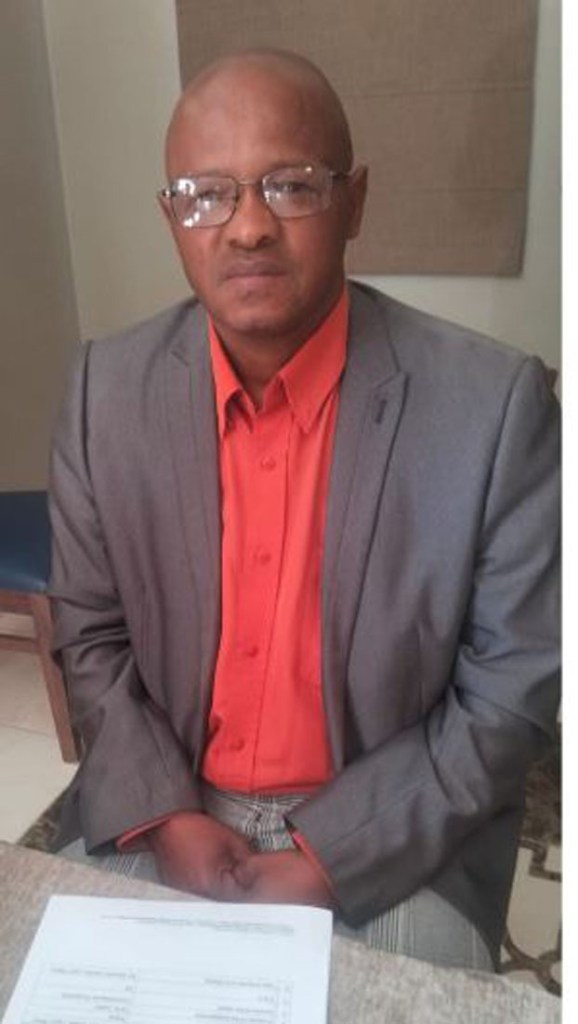
He said he felt vindicated after years of raising concerns about water pollution and facing criticism over his complaints.
He dedicated the outcome to people in Kouga, Humansdorp, Hankey and Loerie, as well as visitors who had been exposed to contaminated water in the Seekoei Estuary, where people swim and fish.
Tourism, he said, was the economic lifeline of the region, particularly St Francis Bay and Jeffreys Bay.
Van Rooyen urged the municipality to regard complainants as partners rather than enemies.
“Please don’t see us as complainants, as your enemies… but see us as partners that want to make a difference with you.”
He said both the municipality’s successes and failures needed to be acknowledged, with problems addressed before they became crises.
SAHRC demands continued action
The Commission has directed Kouga to continue and strengthen rehabilitation until sustained compliance is demonstrated.
Its recommendations include improved monitoring of final effluent and receiving environments such as the Seekoei Estuary and Aston Bay, reconciliation of monitoring reports with the Department of Water and Sanitation’s system, event-responsive testing and prompt public warnings where health risks exist.
Kouga must also fully implement the Public Protector’s remedial actions and provide proof of progress.
The municipality has 60 days to submit a consolidated implementation report detailing the status of the works, authorisations, remedial measures, monitoring results, budgets, responsible officials and timelines.
Affected parties may appeal the report on grounds of accuracy, fairness or completeness.
Also in attendance were Provincial SAHRC leader, Dr Irene Carter, and Legal officer Brandon Ainslee, both who also addressed the gathering. Dr Carter told this newspaper that if any muni defaults in correcting errors, the Department of Environmental Affairs would take a decision on punitive steps
See link to Public Protector’s Report in 2025 : https://stfrancischronicle.com/2025/10/05/polluted-stream-still-flowing-to-aston-bay/

