

Story compiled from research by St Francis Chronicle‘s Bev Mortimer
There have been numerous articles written on local rat plagues in South Africa.
Killing them with rodent killers are leading to secondary poisoning and the death and decimation of the spotted owl population in several parts of South Africa.
Reports are that owl numbers are rapidly declining worldwide too since poisoned , dying rats struggling outdoors and are easy prey for hungry owls that die later.
Key names in studies on secondary rodenticide poisoning of owls in South Africa include Laurel Serieys, who led work on Cape Town raptors, Nicoli Nattrass, who examined urban rodent control ethics,Gerhard Verdoorn, who advised on agrochemical risks and others.
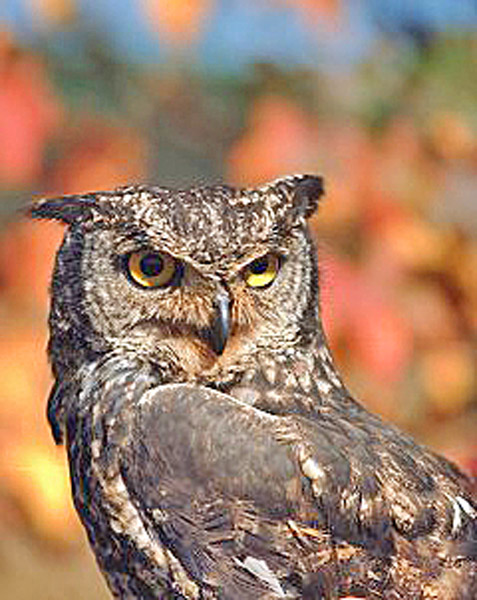
In St Francis itself, residents face a grim problem. Local owls are dying off. The spotted eagle-owl lives here. It hunts at night. It takes rats, mice, and insects. Pairs nest in trees or on buildings. They raise chicks each spring. But numbers have dropped. Nests that once held three to four young now sit empty. Reports show fewer calls at dusk and locals spot owls less often.
When a female owl on the edge of town laid three eggs, they hatched in early October. The owl family seemed strong when owners of the property observed them. The male brought food and caught a rat one Friday. He fed it to the nest.
By Sunday, two chicks looked weak. They had eaten the rat. The owners called for help.
Urban Raptor, a local group, arrived. They found the mother dead and later the two chicks that had eaten poisoned rats too. Deon Slabbert runs Zero Poisons Pest Control. He works with Urban Raptor. “This is textbook secondary poisoning,” he was quoted as saying. “The male owl brought a house rat. Those rats eat bait from homes. They don’t die right away. They wander out. Owls grab them easy.” Slabbert’s team took the bodies for tests. Results matched past cases.
This owl family was not alone. In one week, Urban Raptor collected nine owl carcasses from St Francis Bay and nearby Cape St Francis. All from the same cause. One chick survived. It got vitamin K shots which counter the poison.
“We’ve lost 10 owls here this year,” Slabbert said. He added that owl numbers are down.
Spotted eagle-owls once numbered thousands. Then urban pairs fell from 23 active nests in 2001 to four in 2006. That trend holds. In Cape Town’s Keurboom Park, four owls died from rodenticides in two years. One male suffocated from blood in his lungs. The African grass-owl fares worse. Fewer than 5000 live nationwide. Habitat loss adds to poison woes. Barn owls suffer too. They eat up to 6000 rodents per breeding season. But secondary poisoning cuts their numbers.
A survey in KwaZulu-Natal found 37% percent of people think owl populations are declining. The Urban Raptor Project and many other experts warn there is no safe rat poison. All second-generation types like brodifacoum and difenacoum persist in tissues. Poisoned rodents pass toxins to birds. rat numbers are increasing while owl numbers die off. No product avoids secondary poisoning.
Residents say stores ignore the deaths. People fight back. A petition started in St Francis Bay and more than 200 signed in a week. It asks shops to stop selling rodent poisons. Or face boycotts. “We buy elsewhere if needed,” one signer said. “Owls keep rats down. Poisons kill both.”
Slabbert speaks at meetings. “Switch to traps. It works.” The petition heads to local councils. It seeks rules on sales. Similar drives worked in parts of the UK. Shops there cut stock after owl deaths.
Those with rat problems need options. Poisons are out. Proven methods exist. They cut infestations fast.
Start with prevention. Seal entry points. Rats squeeze through dime-sized gaps. Use steel wool or concrete. Block vents, doors, and cracks. Check roofs too. Roof rats climb easy. Cut food sources. Store grains in metal bins. Clear compost heaps. Pick up fallen fruit. Secure bins with tight lids. Rats need water. Fix leaks. Dry areas drive them off. Traps work next.
Snap traps kill quick. Bait with peanut butter. Place along walls. Check daily. Electric traps zap on touch. They hold multiple rats. Battery-powered. Humane in speed. CO2 traps use dry ice. Gas knocks rats out. No mess. Place in burrows. Effective in yards
Live traps catch without killing like deep pits dug in gardens so rats cannot climb up. Release them in the bush somewhere far from your home otherwise they return. Multi-catch boxes hold many. Ultrasonic devices emit sounds rats hate. Plug in indoors. Move them weekly.
Use oils like peppermint soak well in cotton balls. Wipe paths. Rats avoid the smell. Plant mint or onions near entries. They deter naturally. Combine all methods. Sanitation of the home should be first. Then traps. It clears homes in weeks.
If there are no rat poisons in St Francis then there should be zero poisons here too.
However getting that enforced is difficult. Even though the shops that sell groceries in formal areas may comply, those in spaza shop may not comply and the all people in the sprawling township where there are huge amounts of rats, maids say, they also need to all comply..
But how can they?. If local shops dont sell people can buy from Hdorp or JBay or even PE. InSt Francis Bay it is important to train and enlighten locals about the problem. “No poisons means no dead owls,” Slabbert said.
One yard test cut rats 90% in a month. Traps took 20. No birds were harmed. Owls matter here. They hunt silently. They perch on poles at dawn. Kids name them.
But now silence grows.
 St Francis Chronicle